


Dying Matters Week 4-10 May 2026
Dying Matters Week is a national awareness campaign led by Hospice UK that encourages us to talk about what really matters to us and our loved ones. What you would like to happen and how you would like to be treated? A difficult topic to talk about but one that is so crucial to wishes being respected. The theme for 2026 is ‘Talking about Dying Matters’.

Why ‘Talking about Dying Matters’?
The mission of Dying Matters is to break down the stigma and taboo of talking about death and dying. But sometimes, it’s hard to know where to start.
27% of people find it hard to talk about death with family or friends, and 30% bottle their feelings up. If we don’t talk about death and dying and bereavement, it can be harder to cope when we experience it.
Death, dying and bereavement affect us all. This Dying Matters awareness week the camapign is focusing on the importance of conversations about death and dying – with family, friends, employers, anyone in your life – helping you to get the conversation started.
Because talking about dying matters.
Topics covered on this page (scroll down):
- Talking about death and dying
- Being a good listener when talking about dying
- Talking with children about death and dying
- Talking to someone who is grieving
- Getting things organised before you die
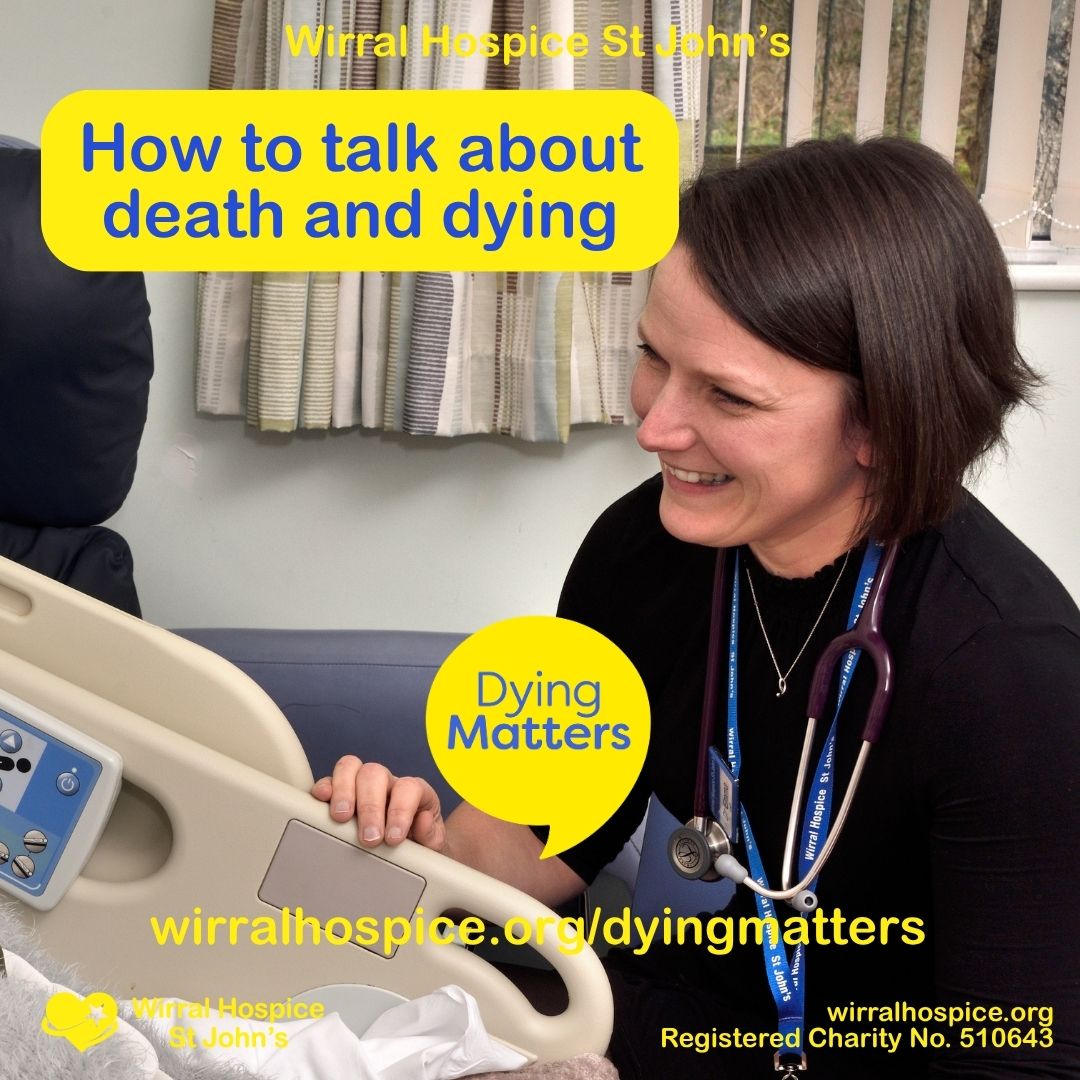
Talking about death and dying
Why it matters
There are lots of reasons to talk about death. It can help you get to things organised, let the people closest to you know your wishes and make the most of the time you have together. Talking about death also won’t bring it closer, and lots of families tell us it’s a relief to have the conversation and get everything into the open. It can help your loved ones cope better with the emotional and practical impact of death.
There can be a lot of issues to talk through, so don’t feel you need to cover everything at once. Subjects could be:
- The type of care you’d like
- Where you’d like to die
- How long you want doctors to treat you
- The kind of funeral you’d like
- The details of your Will
- Who will care for any dependents
- Whether you want to donate your organs
- How you would like to be remembered
- Anything you want people to know before you die
There’s no perfect way to talk about dying, but there are a few things you can do to make it easier.
Choose your moment: It’s not easy to have a serious conversation when you’re in a rush or stressed, so try and find a time when you don’t have to look at the clock and a place where you feel relaxed. It can sometimes help to look for signs another person is happy to talk about the future. It could be you’re talking about retirement plans, for example. Or maybe someone you know, or someone famous, has died.
Start with a question: Questions like ‘Have you ever wondered what would happen if…?’ or ‘Do you think we should talk about…?’ can be a more a natural way into a conversation than starting with a statement.
Be reassuring: Phrases like ‘I know that talking about these things is never easy’ and ‘We’ve never talked about this before but…’ can be useful too.
Be honest about how you feel: It helps to be open. There might be laughter or tears, but there’s no reason to be afraid of either response. Make sure you listen to what the other person is saying too, and don’t feel the need to fill silences. They can give people a chance to bring up what’s important to them.
Test the water: If you’re worried about saying the wrong thing, could you try out what you want to say with a friend or colleague first? (And, if you are worried, remember that it’s usually the things we don’t say, rather than the things we do, that we regret.)
Take it one step at a time: Don’t feel like you need to cover everything in one conversation. It might be easier to speak about things a few times, bit by bit.
Try a different approach: If talking about death feels too tough, there are plenty of other ways to bring it up. You could write a letter explaining what you’d like to say. Or you could give someone a list explaining what you’ve loved most about your life, what you still want to do and what you want to happen in the future.
Whatever you do, remember that no conversation is perfect, but by talking about death you’re helping to make the future easier for everyone.
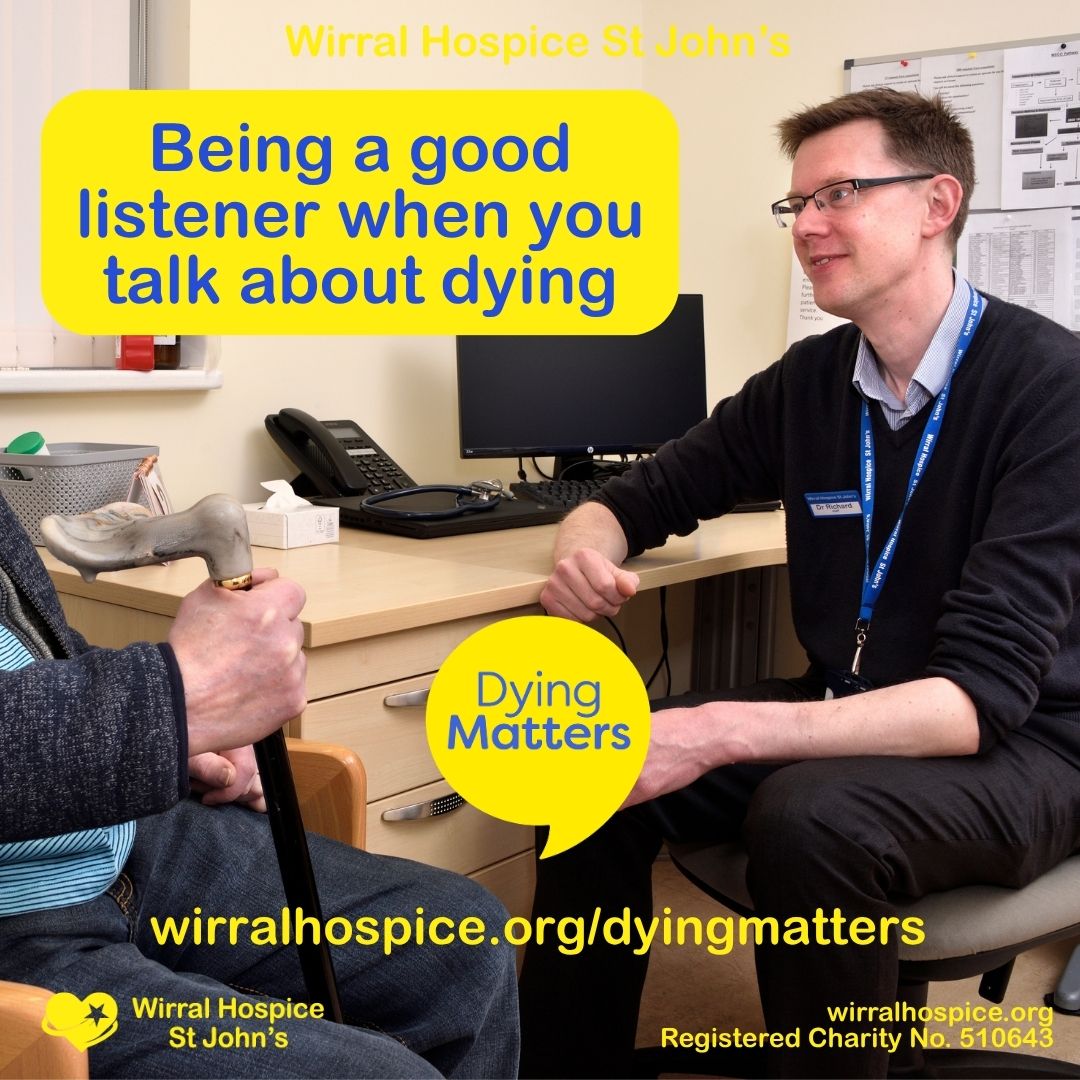
Being a good listener when you talk about dying
Why it matters
Some people find it hard to talk about death, dying and grieving. The way we respond when people bring up the subject can make a big difference.
If we struggle to talk about death, it can make it harder to support a grieving friend or answer questions from loved ones. But if we’re ready to listen, it makes it a lot easier to discuss things like Wills, funeral plans, how and where we want to be cared for, and worries about the future.
You don’t need to try and be an expert – the main thing is to let the conversation flow, rather than brushing it off or looking uncomfortable.
How to be a good listener
Listen carefully: Make sure you give the conversation your full attention.
Do not worry about saying something wrong: No one is expecting you to be an expert. The person has come to you because they trust you, not because they expect you to have all the answers.
Be patient: It can take people a while to get to the point, especially if they are feeling nervous. Let the person know it’s OK to take their time and work through things.
Be encouraging: If someone asks to talk to you about death, they might have a lot on their mind. So try to be encouraging, and let them know you want to listen and you’re there for them.
Try not to judge: Everyone responds to death and grief differently, so remember that advice that works for you might not work for someone else. Often what people appreciate most is the chance to unload their thoughts.
Ask the person what is important to them: This can be a useful question because it helps people focus on what they want. We’re all different, and so are our wishes for when we’re dying. Asking this encourages people to reflect on what’s really on their mind.
Look after yourself: It can be upsetting to talk about death, especially with someone close to you, so make sure you make time for yourself afterwards. If the conversation makes you think about your own end of life plans, could it be a good time to think about who you would like to have a similar conversation with?

Talking with children about death and dying
Why it matters
We can’t protect children from death. They see it all the time. When a cat drops a mouse on the doorstep. When they lose a grandparent. On TV.
But one thing we can do is speak with children about death. Having an open conversation and showing we’re comfortable talking about it can stop children feeling scared, confused, alone or even guilty after someone dies. And knowing about things like funerals, burials and cremations before someone close to them dies can make it easier to cope.
Helping children to talk about dying
There are lots of ways to help children think and speak about dying. It doesn’t have to be a big, planned conversation. It can help just to let children know you’re there if they have questions.
Try to listen carefully and let children lead the conversation. You could explain that death is a part of life, and maybe use some examples from nature. Children of every age know about things like leaves falling from trees and flowers blooming and dying.
Lots of things that happen in life can help with speaking about death too. If someone close to you dies, you could ask if the child wants to come to the funeral. It can help to let them know what to expect beforehand. Memory boxes can help too, and give the child a chance to talk about what they remember and how they’re feeling.
If you have a pet that dies, that can be another good way to start a conversation. You could ask if the child wants to be there when you bury it, and maybe plant some flowers.
And there are lots of books to help you talk with children about dying. There’s a list on the Winston’s Wish website.
Tips for talking about death
You might find children ask practical questions rather than talking about how they feel. Things like ‘What’s it like inside a coffin?’ and ‘What does a dead body really look like?’ These are totally normal questions (and plenty of adults want to know the answers too). Try to talk them
through together, rather than dismissing them as silly.
It’s also a good idea to:
Listen carefully so you know exactly what the child means: If you don’t know the answer, say so, and don’t worry if you think you’ve not answered a question very well. It’s more important to the child that you pay attention and take them seriously.
Try not to look uncomfortable: It can make a child feel like death isn’t really something they should talk about. Try and stick to the point, too – regular, short conversations about death might help more than one long one.
Be clear and direct in your language: Phrases like ‘passed away’ can be more confusing than helpful. Children also often take words very literally, so it’s a good idea to check they’ve understood what you mean.
Don’t be afraid to get emotional: If a child sees that you’re upset, it’s another way to show them that their own grief is normal and nothing to be ashamed of.

Talking to someone who is grieving
It is ok to feel unsure
It can be difficult to know what to say when someone loses a loved one. It’s totally normal to worry about saying the wrong thing or getting in the way. But it’s usually better to do something than say nothing, and there are plenty of ways you
can show you’re there for someone if they need you or want to talk.
Taking the first steps
Look for signs someone is ready for a chat. If they mention the person who has died, try to encourage them. Even if they get upset, it’s likely to mean they want to talk.
Remember words aren’t always needed. Sometimes it just helps to be there for someone. Let them know you’re ready to talk or not talk – whatever works for them.
Don’t be upset if your support is turned down. Talking after losing a loved one can seem daunting, especially at first. Just keep reminding the person they can reach out to you whenever they’re ready.
Don’t worry if people repeat themselves. Sometimes going over what’s happened can help people come to terms with it.
Give people space. Be careful not to smother people with sympathy. Often time alone is what’s needed to process feelings after a death.
What might help
There’s no perfect way to support someone who is grieving. None of us say the right thing every time. But you just being there will mean a lot.
If someone wants to talk, really listen and ask open-ended questions. It’s a good way to get a conversation going, rather than asking questions that can be answered ‘yes’ or ‘no’.
Offering practical support can make a big difference too. You could try making a direct offer – ‘I can pick the kids up from school’ – rather than saying ‘I’m here for anything you need’.
Try to keep checking in as time passes. The weeks and months after the funeral can be the hardest of all, but birthdays, anniversaries, holidays and New Year are tough for a lot of people too.
Invite people to join you for social activities like going for a coffee or a walk. Even if they don’t feel up to it, it can mean a lot to be asked.
What to be careful of
The fact that you’re reading this leaflet shows you’re someone who cares and wants to say the right thing. But there are some things that can upset people, even when you’re trying to help.
Saying you know how someone feels can be unhelpful. Losing someone is different for everyone, and saying ‘I know how you feel’ can make it seem like you’re not really listening.
Talking about time is a tricky area too. It’s easy to fall back on phrases like ‘Time is a great healer’ or ‘You’ll move on soon’. But everyone grieves in their own way and at their own pace.
When you are talking to someone who is grieving, try not to dominate the conversation or act as if nothing has happened. Lots of people say they find it hard when people avoid talking about the person they have lost.
If you have a faith, try to remember that it might not help others, even if it is very important to you.
And don’t assume people are OK because they seem to be on the surface. Keep checking in and letting them know you’re there for them. It can be a long time before people feel ready to talk about what they’re going through.
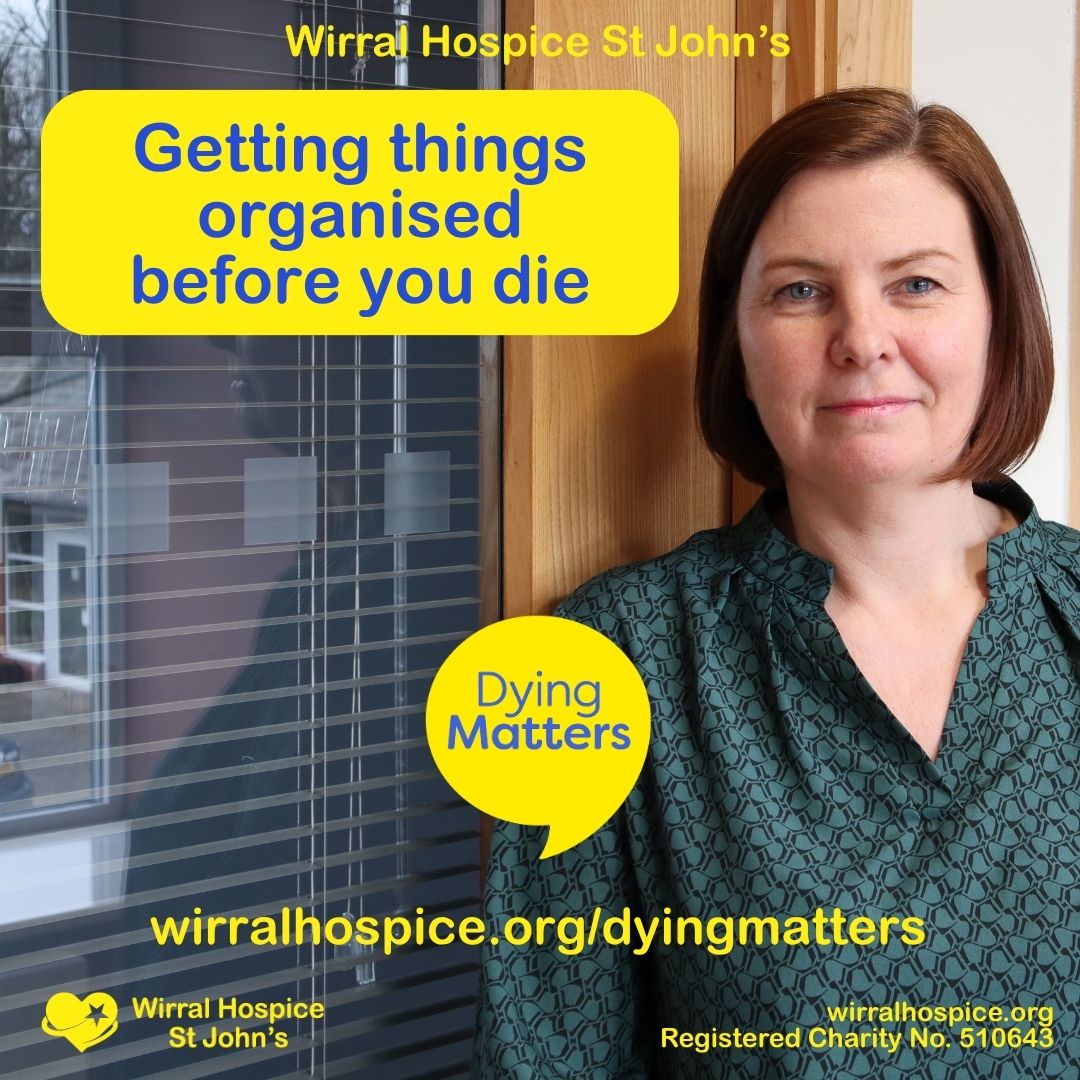
Getting organised before you die
How it can help
Planning what you want to happen after your death can save your loved ones a lot of worry, and make things less stressful for you too.
We’ve listed some important things to think about below. They are all straightforward, but can make a big difference in the long term.
Making a Will
Making a Will means it’s clear what you want to happen to your money and possessions after you die. You can include any wishes for your funeral too.
Putting one in place now makes life a lot easier for your loved ones in the future. If you die without writing a Will, your possessions are given out based on set rules, rather than on your wishes.
Why Make A Will?
It’s natural for people to believe there’s plenty of time before they have to take this important step, but experience tells us that it’s never too early. If your Will is not officially drawn up then your assets may be subject to processes under the law which may have negative repercussions for loved ones for many years.
You may already have a Will in place, but major changes can happen in life, including marriage, divorce, having children or even the death of a loved one, which can potentially invalidate some, or all, of a current Will.
Unmarried partners or those who have not registered a civil partnership cannot inherit from each other unless there is a Will in place. Homeowners and people with dependent children are especially encouraged to have an up-to-date Will.

Click to open a PDF of Wirral Hospice’s Gifts in Wills leaflet
Click to open and print a simplified Black and White version of Wirral Hospice’s Gifts in Wills leaflet
Making a funeral plan
There are lots of options you can think about for your funeral. You can leave written wishes explaining what kind of funeral you would like with your loved ones, make arrangements with a funeral director or include your wishes in your Will.
Even if you don’t write anything down, having a conversation with family or friends can make things a lot easier for everyone. It can put your mind at rest.
Planning for your future care
It’s a good idea to think about what you would like to happen if you get seriously ill or lose the capacity to make decisions yourself. You can talk to your family or a health
professional about this.
You might want to think about the sort of care you’d like, where you’d like to be cared for, any treatments you don’t want to have and who you’d like to make decisions if you’re no longer able to. You could start by asking yourself ‘What’s important to me?’
It’s important to write down your plans so you have a record of them. You can ask a doctor or nurse for an advance care planning form, and give the completed version to your loved ones.
Deciding about organ donation
The laws on donating organs are different in England, Northern Ireland, Scotland and Wales.
You can find out what applies where you are at organdonation.nhs.uk
Thinking about technology – from social media to your phone
Many of us have all kinds of information online. Often everything is protected by passwords too. It’s a good idea to decide what you want to happen to all of your data after you die, and to let someone know so they can carry out your wishes.
The Digital Legacy Association website has a lot of information that can help: digitallegacyassocation.org
Letting your loved ones know
Once you’ve put everything in place, try to talk it through with the people closest to you. It can be helpful to ask for their input, especially if you want them to carry out your wishes.
Let your loved ones know where any documents about your care, funeral or wishes are kept. You may find keeping them all in one place useful.
—
The Dying Matters website has lots of useful resources, including a Dying Matters podcast series, a list of books you might find helpful, and information for teenagers living with a life-limiting illness.
News and Stories

Mum Ellie to switch on our thirtieth anniversary lights for...

Even if it blows our twilight event glows and it flows

A way to care. Hospice lottery manager Carl runs more than...
Everybody knows everybody. Charity shop manager Suzi...
Mum Ellie to switch on our thirtieth anniversary lights for...
Even if it blows our twilight event glows and it flows
A way to care. Hospice lottery manager Carl runs more than...